
Skin Cancer Awareness Month: The Truth About Sun Damage

May is Skin Cancer Awareness Month, and at Hospitality Medical Aesthetics, we believe this conversation is one of the most important ones we have with our clients all year. Living in sunny Redlands, California, we get it — the sun is part of our lifestyle. We love our pool days, our hikes, our outdoor dinners, and our weekend getaways. But the truth is, your skin remembers every bit of sun exposure you give it. The effects are cumulative, and they often show up years — sometimes decades — later.
This post isn’t meant to scare you. It’s meant to empower you. Because when you understand what UV exposure is actually doing beneath the surface, it becomes so much easier to protect, prevent, and — if needed — repair.
What Sun Damage Really Looks Like
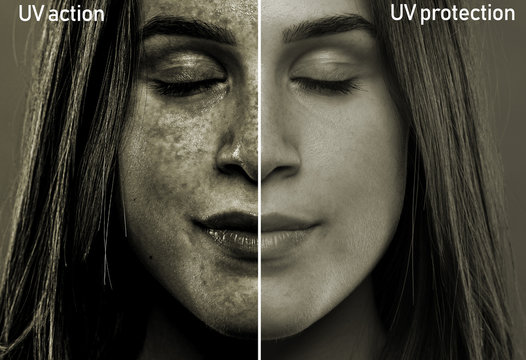
Most people think of sun damage as a sunburn that fades after a week. The reality is so much more layered than that. Every time UV rays reach unprotected skin, they cause changes in your skin’s DNA, collagen, blood vessels, and pigment cells. Here’s how it tends to show up over time.
Premature Aging

This is one of the most common consequences of long-term sun exposure, and one of the things our clients ask us about most. UV exposure breaks down collagen and elastin, the proteins responsible for keeping skin firm, smooth, and resilient. Over time, this can show up as wrinkles and fine lines earlier than expected, sagging or loss of elasticity, rough or leathery texture, and dark spots, often called “sun spots” or age spots.
If you’ve ever wondered why parts of your face age differently than others, it’s often the difference between protected and unprotected sun exposure. The neck, chest, hands, and forearms tend to show their sun history first.
Uneven Pigmentation
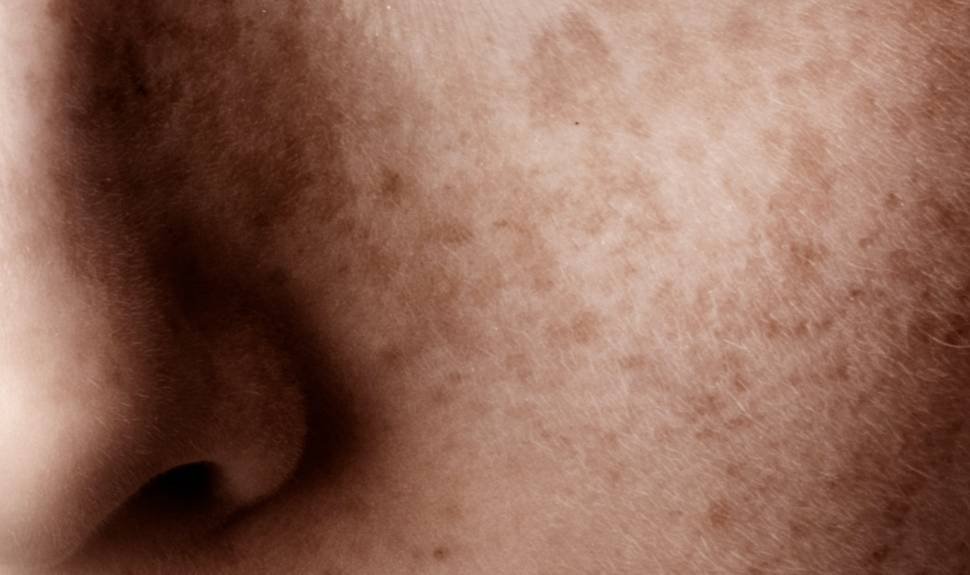
Sun exposure also stimulates the cells in your skin that produce pigment. The result can be freckles that darken in the summer, patchy discoloration that wasn’t there before, and persistent dark spots that just don’t fade no matter how many serums you try. Hormones, age, and genetics all play a role too — but the sun is one of the biggest amplifiers.
Skin Cancer Risk
 This is the most important part of this conversation, and the reason Skin Cancer Awareness Month exists in the first place.
UV radiation directly damages the DNA in your skin cells. Over time, those mutations can lead to skin cancers like melanoma, basal cell carcinoma, and squamous cell carcinoma. The risk increases with cumulative exposure over your lifetime, and it’s especially impacted by intense burns — particularly burns experienced in childhood and adolescence.
The good news? Skin cancer is one of the most preventable and most treatable cancers when caught early. That’s why we strongly encourage everyone to schedule an annual skin check with a board-certified dermatologist. A professional skin exam can catch changes early, when they’re easiest to address. If you notice any new, changing, or unusual spots on your skin, please don’t wait — reach out to a dermatologist right away.
Broken Blood Vessels
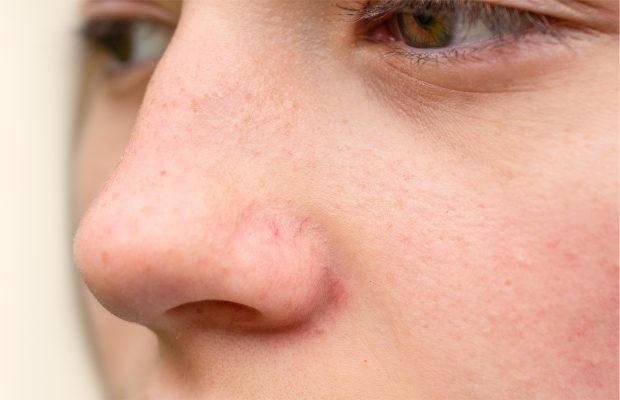
Long-term UV exposure also weakens the structure of the small blood vessels under your skin. This can lead to visible broken capillaries, especially around the nose and cheeks. It’s a quiet sign of years of cumulative sun exposure, and one that often goes overlooked until clients see it in photos.
The Truth: Your Skin Remembers

Here’s the part we want every client to take with them: your skin remembers every bit of sun exposure you get. The effects are cumulative. The sunburn from spring break a decade ago, the afternoons by the pool without reapplying, the daily commute without SPF — it all adds up. And it shows up later.
The encouraging side of this truth is that your skin is also incredibly resilient. Starting today, the choices you make to protect and care for it can dramatically change how it looks, feels, and ages going forward.
How to Protect Your Skin Starting Today

Wear broad-spectrum SPF 30 or higher every single day, even when it’s cloudy, even when you’re indoors near windows, even in the winter. Reapply every two hours when you’re outside. Wear hats, sunglasses, and protective clothing when you can. Seek shade during peak UV hours (typically 10 a.m. to 4 p.m.). Avoid tanning beds completely. And schedule your annual skin check with a board-certified dermatologist — it’s the single most important habit you can build for long-term skin health.
How We Can Help at Hospitality Medical Aesthetics

While we leave skin cancer screenings to dermatologists (and we always will), we’re here to be your partner in two key areas: prevention and cosmetic repair of sun damage.
On the prevention side, our team can help you build a daily skincare routine that includes the right SPF for your skin, alongside antioxidants and supportive ingredients that strengthen your skin’s defenses against environmental damage.
On the repair side, we offer a beautiful range of treatments designed to address the cosmetic effects of sun damage — fading dark spots, smoothing texture, softening fine lines, evening out tone, and restoring a healthy glow. Treatments like our Perfection Peel, microneedling, SkinVive, and our skin health protocols are all wonderful tools depending on your unique skin and goals. We’ll talk through what makes the most sense for you during a personalized consultation.
This Month, Take Care of Your Skin

This Skin Cancer Awareness Month, we hope you’ll take one small step toward protecting your skin — whether that’s finally booking your dermatologist screening, upgrading your daily SPF, or coming in for a consultation about repairing damage that’s already done.
Your skin has carried you beautifully. Let’s take good care of it.
Book with us today! Call (833) 462-4800 or visit hospitalitymedicalaesthetics.com to schedule a skin health consultation in Redlands, California. And don’t forget — your annual dermatologist screening is one of the best gifts you can give yourself.